%2Ffit-in%2F250x250%2Fguide_websites%2F55851%2Fimages%2F1760500325398capt._doug_hicks_logo-removebg-preview.png&w=1200&q=100)
/users/e6c98961-9b2b-4de8-b971-27ae7d9b4f69/ratecard/511512232_24325673243704456_8959860163207214427_n-mgrfmenu.jpg)
%2F300x300%2Fusers%2Fe6c98961-9b2b-4de8-b971-27ae7d9b4f69%2Fratecard%2F511512232_24325673243704456_8959860163207214427_n-mgrfmenu.jpg&w=256&q=75)
%2F300x300%2Fusers%2Fe6c98961-9b2b-4de8-b971-27ae7d9b4f69%2Fimages%2Fbeach-fishing-adventure-2484.jpg&w=256&q=75)
%2F300x300%2Fusers%2Fe6c98961-9b2b-4de8-b971-27ae7d9b4f69%2Fimages%2Ffishing-trip-florida-2429.jpg&w=256&q=75)
%2F300x300%2Fusers%2Fe6c98961-9b2b-4de8-b971-27ae7d9b4f69%2Fimages%2Ffishing-adventure-florida-2396.jpg&w=256&q=75)
%2F300x300%2Fusers%2Fe6c98961-9b2b-4de8-b971-27ae7d9b4f69%2Fimages%2Fgreat-fishing-new-smyrna-beach-2524.jpg&w=256&q=75)
%2F300x300%2Fusers%2Fe6c98961-9b2b-4de8-b971-27ae7d9b4f69%2Fimages%2Fmalabar-grouper-fishing-fl-2402.jpg&w=256&q=75)
%2F300x300%2Fusers%2Fe6c98961-9b2b-4de8-b971-27ae7d9b4f69%2Fimages%2Ffishing-adventure-florida-2498.jpg&w=256&q=75)
%2F300x300%2Fusers%2Fe6c98961-9b2b-4de8-b971-27ae7d9b4f69%2Fimages%2Fatlantic-sailfish-fishing-fl-2489.jpg&w=256&q=75)
%2F300x300%2Fusers%2Fe6c98961-9b2b-4de8-b971-27ae7d9b4f69%2Fimages%2Ffishing-adventure-fl-2461.jpg&w=256&q=75)
%2F300x300%2Fusers%2Fe6c98961-9b2b-4de8-b971-27ae7d9b4f69%2Fimages%2Fwahoo-fish-new-smyrna-beach-2528.jpg&w=256&q=75)
%2F300x300%2Fusers%2Fe6c98961-9b2b-4de8-b971-27ae7d9b4f69%2Fimages%2Fking-mackerel-new-smyrna-beach-2452.jpg&w=256&q=75)
Expert-Guided Backcountry Fishing in New Smyrna
 New Smyrna Beach
What you will be catching:
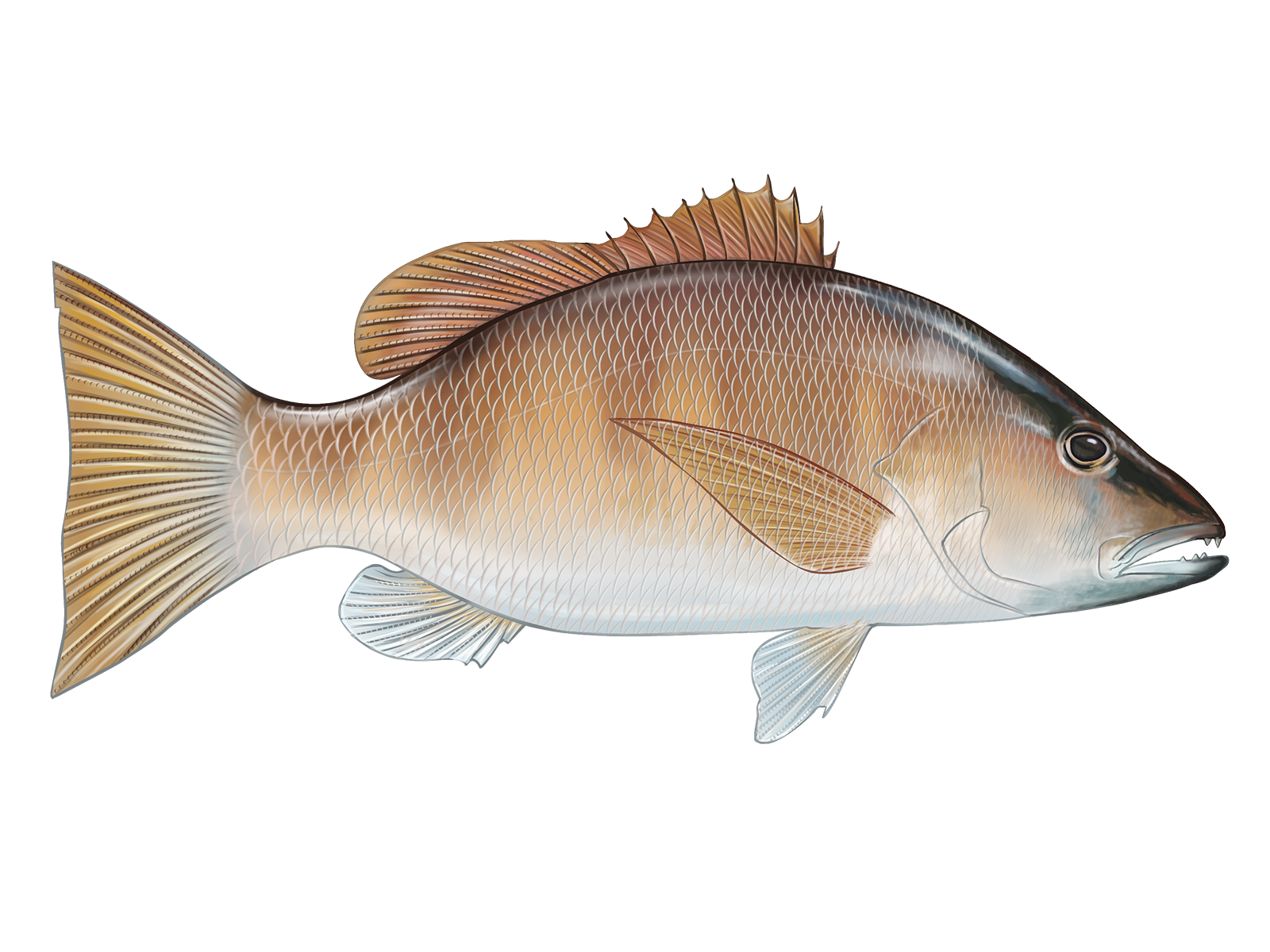 Grey Snapper
 Redfish
 Sea Trout
 Snook
Snook Tarpon
- Full-day charter targeting redfish, snapper, and tarpon in prime waters
- All gear, bait, and fishing licenses provided by experienced Captain Doug
- Suitable for all skill levels with expert guidance and technique instruction
Trip Pricing and Availabilities:
Full Day Backcountry Charter in New Smyrna Beach
Looking for a top-rated fishing adventure that'll put you right in the heart of Florida's best inshore action? Captain Doug Hicks knows these New Smyrna Beach waters like the back of his hand, and he's ready to show you why this stretch of coastline is a customer favorite among serious anglers. This full-day charter takes you through the backcountry flats, around the inlet, and into those productive intercoastal spots where the big fish hang out. Whether you're a seasoned angler or just getting your feet wet, you're going to love what these waters have to offer.
What to Expect on the Water
This isn't your typical half-day trip where you're rushing to get lines in the water. With a full day ahead of us, we've got time to really work the spots and adjust our game plan based on what the fish are doing. We'll start early, hitting the backcountry flats when the light is just right, then move through the inlet areas where the current brings in baitfish and the predators follow. The intercoastal waterways offer plenty of structure and grass beds that hold fish year-round. Captain Doug provides all your bait, tackle, ice, and equipment, plus he's got your state fishing license covered. You just need to bring your lunch, plenty of water or sports drinks, sun protection, and a camera for those hero shots. Fair warning - once we leave the dock, stores are pretty limited, so pack smart with a good cooler and stay hydrated out there. The boat comfortably handles two anglers, so you won't be fighting for space or gear.
Techniques & Tackle Setup
We'll be running a mix of techniques depending on what we're targeting and where we find them. Live bait fishing with shrimp, pilchards, and finger mullet is the bread and butter for most of these species, especially around structure and drop-offs. We'll also throw artificials like soft plastics, topwater plugs, and suspending baits when the fish are active and feeding aggressively. The captain rigs everything with circle hooks and appropriate leaders - heavier fluorocarbon when we're around oyster bars and structure, lighter when we're sight fishing the flats. Spinning gear in the 3000-4000 size range handles most situations, but we'll bump up to conventional tackle if the tarpon show up and start rolling. The key is staying mobile and reading the water - watching for bait activity, bird work, and those subtle signs that tell you where to make your next move.
Species You'll Want to Hook
Redfish are the backbone of our inshore fishery here, and New Smyrna Beach has some world-class red drum fishing. These copper-colored fighters love the shallow grass flats and oyster bars, especially during moving tides. They'll eat live shrimp under a popping cork or crush a gold spoon worked along the edges. Most fish run 18-27 inches, perfect slot size, but don't be surprised if we hook into a bull red that'll test your drag and your arms. Fall and winter are prime time when they school up in big numbers.
Grey snapper might not be the flashiest fish in the water, but they're smart, tasty, and always ready to fight. Around the inlet rocks, bridge pilings, and deeper holes, these guys will hammer live bait or small jigs. They're year-round residents that really turn on when the water cools down. A 15-inch snapper on light tackle is a blast, and they make excellent table fare if you're looking to take some fish home.
Tarpon are the silver kings that make grown anglers act like kids again. Summer months bring juvenile tarpon into the backcountry and around the inlet mouth, with fish ranging from 20-60 pounds. They'll roll on the surface, giving away their location, then absolutely demolish a live bait or well-placed lure. Even a small tarpon will jump repeatedly and run line like you wouldn't believe. Most are released to fight another day, but the photos and memories last forever.
Sea trout patrol the grass flats and deeper holes, especially during cooler months when they school up in good numbers. These spotted beauties are perfect light tackle fish that'll hit live shrimp, soft plastics, or topwater baits early and late in the day. A good trout bite can keep the rod bent all day, with fish ranging from keeper size up to impressive gator trout over 20 inches.
Snook are the holy grail of inshore fishing - moody, structure-oriented ambush predators with an attitude. They love mangrove shorelines, dock pilings, and inlet areas where they can pin baitfish against structure. When you hook a good snook, they'll jump, run, and try every trick in the book to throw the hook. They're catch-and-release only right now, but landing one is always a highlight of any trip.
Time to Book Your Spot
This full-day backcountry charter gives you the best shot at experiencing everything New Smyrna Beach inshore fishing has to offer. Captain Doug's local knowledge and years of experience mean you're not just buying a boat ride - you're getting insider access to the spots and techniques that consistently produce fish. The combination of backcountry flats, inlet action, and intercoastal structure fishing means we can adapt to conditions and keep you on fish all day long. Whether you're after your first redfish, looking to tangle with a tarpon, or just want to bend the rod and enjoy a day on the water, this trip delivers. Don't wait too long to book - the best fishing days fill up fast, and you don't want to miss out on what could be the fishing trip of a lifetime.
Learn more about the species
Grey Snapper
Grey snappers, or mangrove snappers as locals call them, are smart fish that'll keep you on your toes. Most run 10-14 inches around our waters, though you might hook into a chunky 3-4 pounder if you're lucky. These guys love hanging around docks, bridges, and mangrove roots in 5-20 feet of water. They're active year-round but really turn on during warmer months and around full moons. What guests love about snappers is they're great eating - sweet, flaky white meat that's hard to beat. They're also perfect for beginners since they bite well and fight hard for their size. Being nocturnal, they feed more aggressively at dusk and dawn. Here's my tip for hooking more snappers: use a 4/0 circle hook with live shrimp hooked through the tail, let it sink to the bottom, then reel up just a foot or two. Keep it still - these opportunistic feeders like an easy meal.
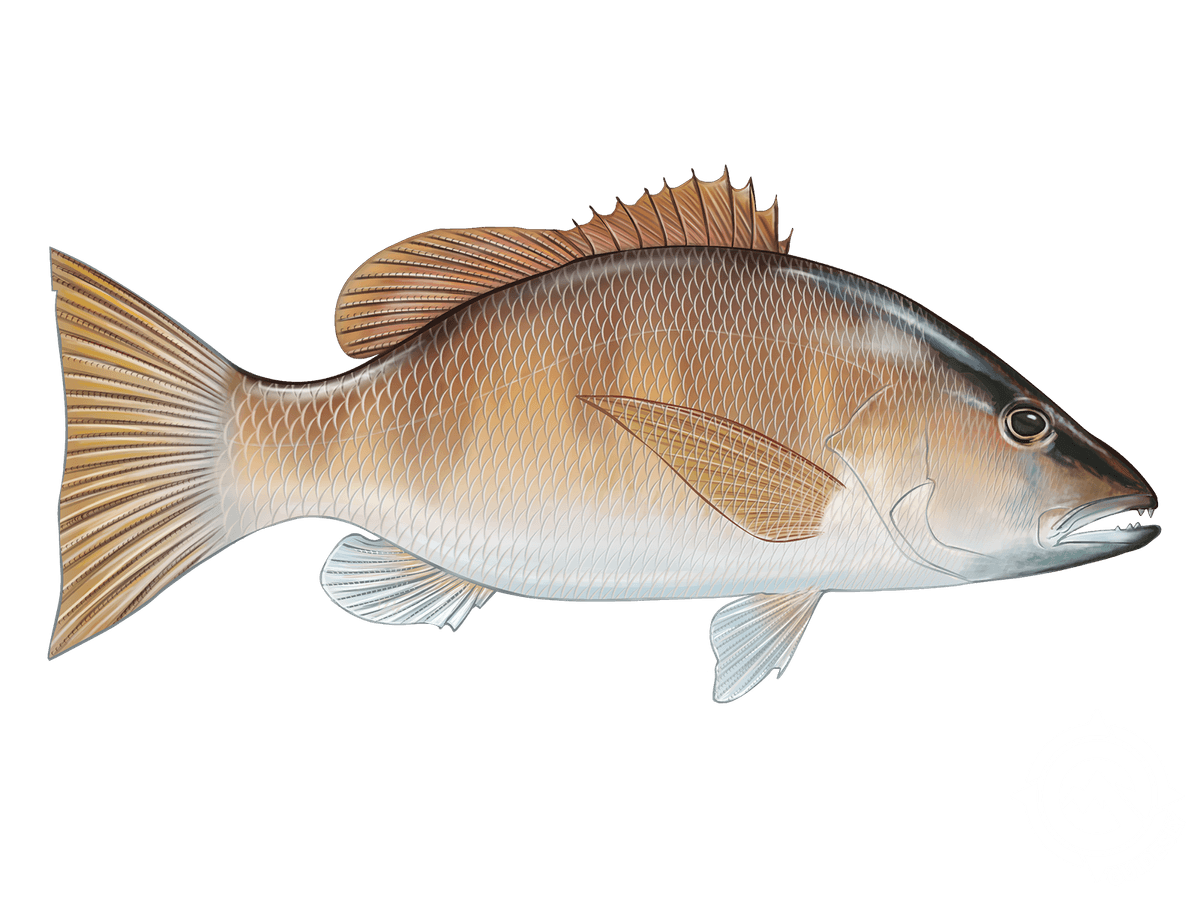
Redfish
Redfish are hands-down one of the most exciting fish we target on these flats. They typically run 18-27 inches around New Smyrna Beach, with those distinctive black spots near their tails and copper-red backs. Look for them tailing in 1-4 feet of water around oyster bars, grass flats, and mangrove shorelines. They're year-round residents, but fall and spring offer the best action when they school up. What makes reds special is their power - pound for pound, they're some of the strongest fighters in shallow water. Plus, they make excellent eating with mild, sweet meat. You'll often see their backs out of water as they root around for crabs and shrimp in the shallows. The sight-fishing opportunities are fantastic. My go-to technique: use a gold spoon or soft plastic jig, and when you spot a tailing red, cast well ahead and let your lure sink before starting a slow retrieve. They spook easy in skinny water.
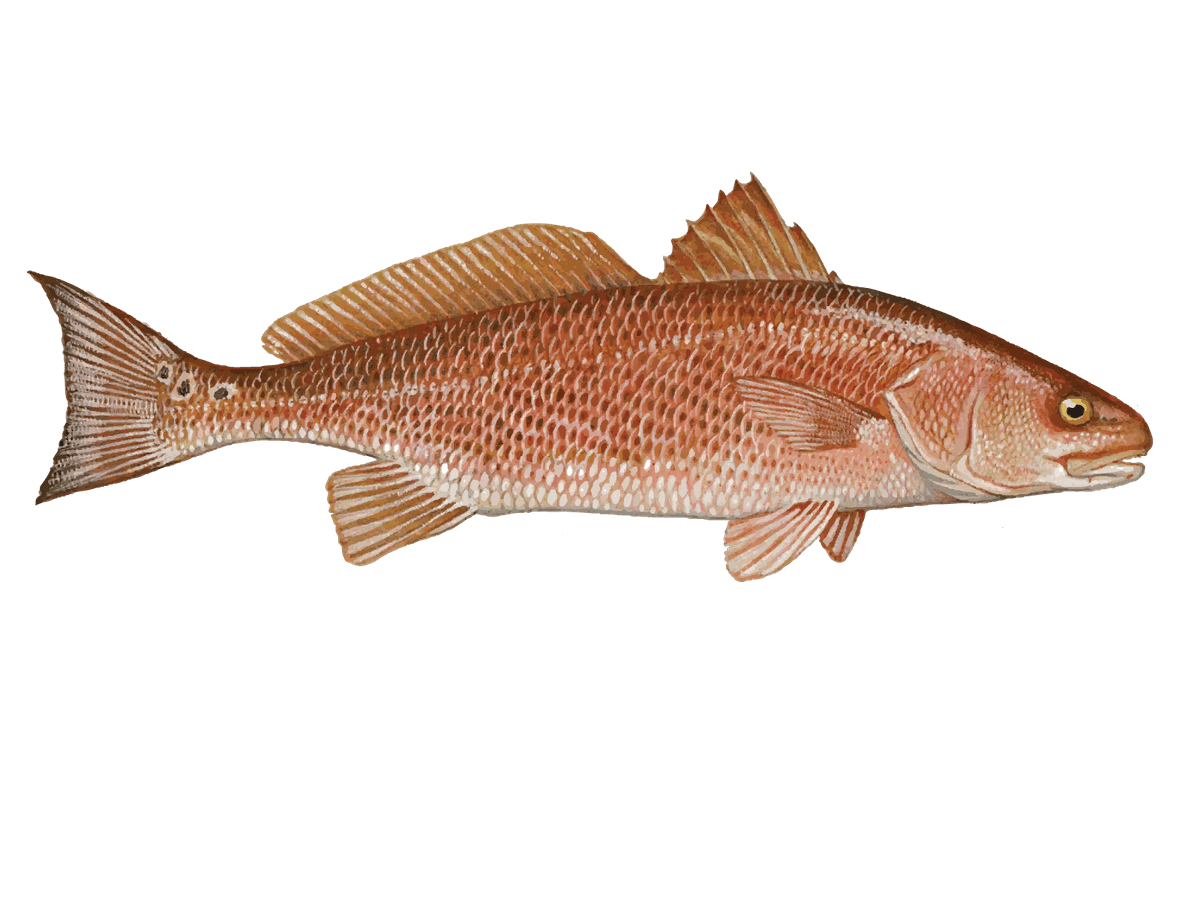
Sea Trout
Sea trout, or speckled trout, are one of the most reliable fish we target year-round in our grass flats. Most range 14-18 inches with occasional keeper-sized fish hitting 20+ inches and 3-4 pounds. They love shallow grass flats in 2-6 feet of water, especially areas with sandy potholes mixed in. Spring through fall are prime, but winter can produce some of the biggest trout in deeper holes. Guests enjoy them because they bite readily, fight well, and make outstanding table fare - some of the best eating fish we catch. The white, flaky meat is delicate and mild. They're also great for kids and beginners since they're forgiving to catch. Best action happens early morning and late evening. Here's what works: use a 1/4 oz jig head with a soft plastic shrimp or paddle tail, work it slowly along the grass edges. When you feel that subtle tap, don't jerk - just lift the rod firmly and start reeling.
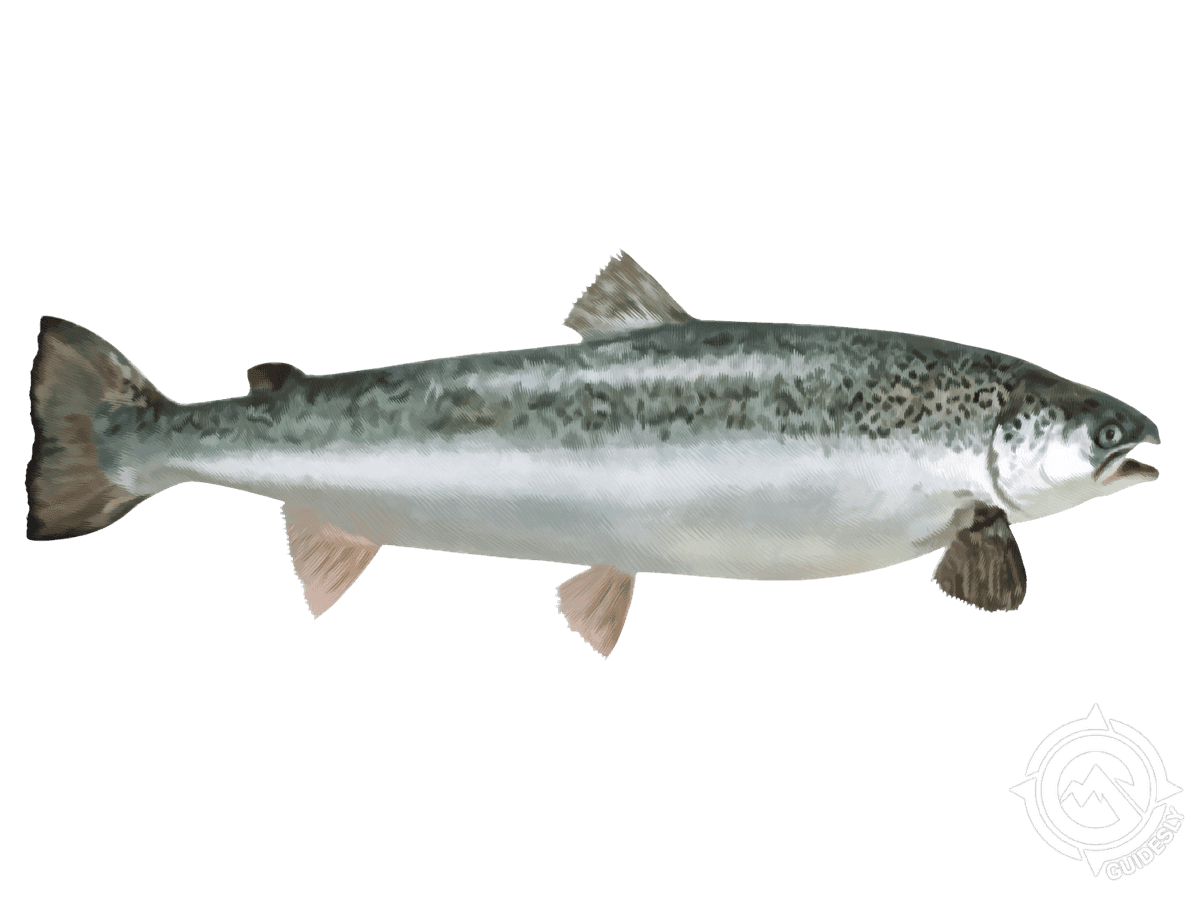
Snook
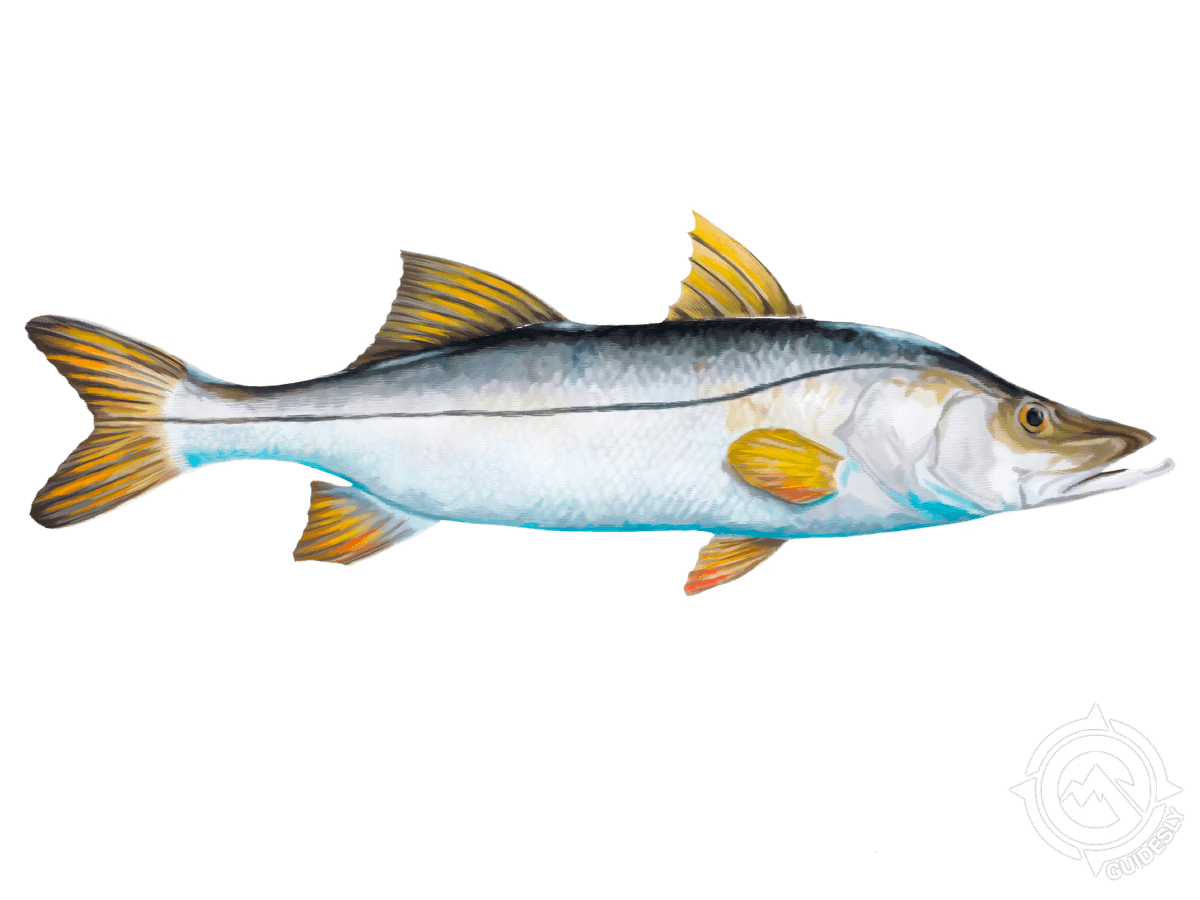
Snook are one of our most popular targets around New Smyrna Beach, and for good reason. These sleek fighters typically run 18-24 inches inshore, but can reach over 3 feet in the right conditions. You'll find them hugging mangrove edges, docks, and creek mouths where they ambush baitfish. They love structure and current breaks in 2-8 feet of water. Best fishing happens during warmer months from April through October, especially around dawn and dusk. What makes snook special is their explosive strike and acrobatic fight - they'll jump and make powerful runs that test your drag. They're also excellent table fare with firm, white meat. Here's a local trick: when fishing live shrimp around mangroves, let it drift naturally with the current rather than constantly moving it. Snook are ambush predators and that natural presentation triggers more strikes.
Tarpon
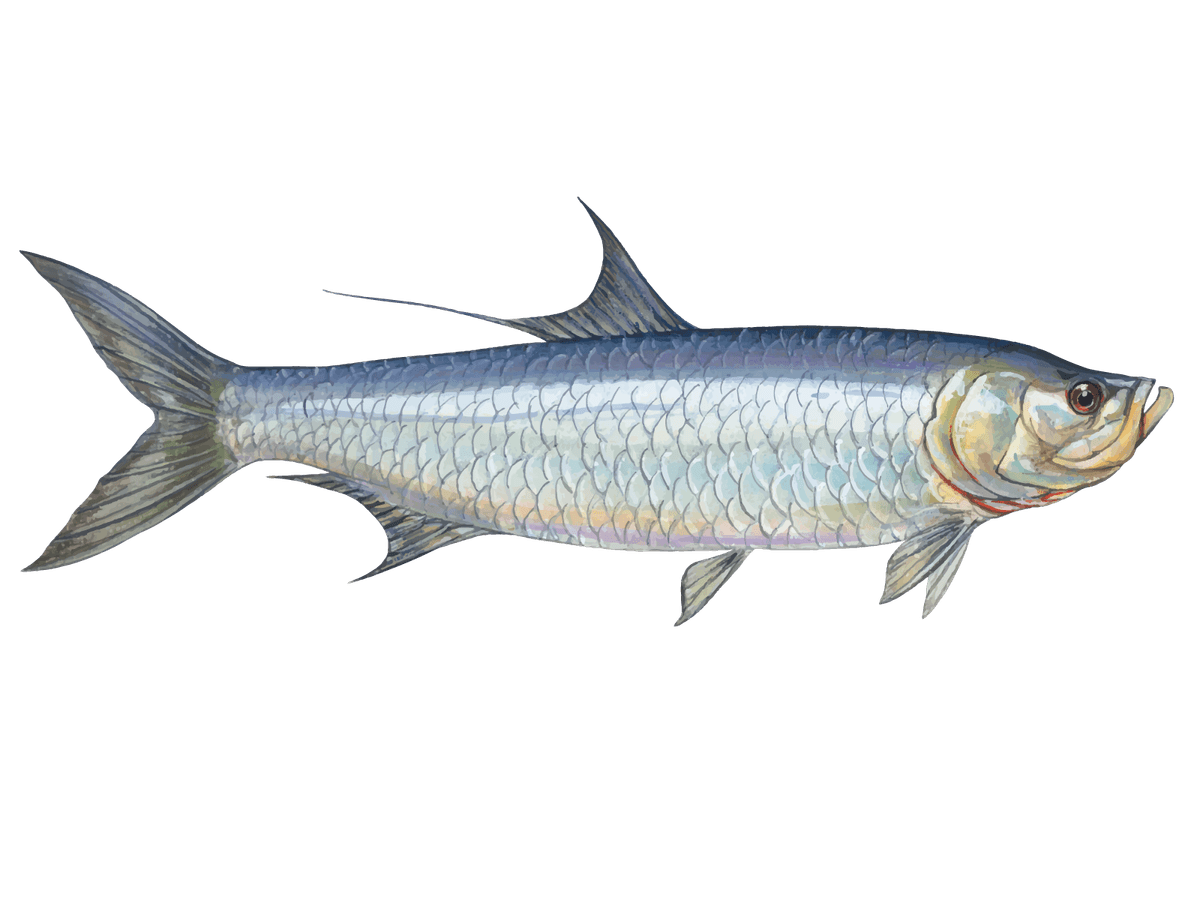
Tarpon are the kings of our waters and the main reason anglers travel from around the world to fish here. These silver giants average 80-100 pounds locally, but we see fish pushing 150+ pounds regularly. You'll find them rolling in 3-15 feet around bridges, channels, and deeper holes in the backcountry. Prime season runs May through September when they migrate through our area to spawn. What makes tarpon fishing special isn't the eating - we release them all - it's the fight. When a 6-foot tarpon goes airborne right next to the boat, that's a memory you'll never forget. They're incredibly strong and can jump 10 feet out of the water. Best conditions are moving water around dawn or dusk. Pro tip: when you hook one, immediately bow to the fish when it jumps by pointing your rod tip at it. This gives slack and prevents the fish from throwing the hook during those wild aerial displays.
About the 24' Boca Bay
%2F%2Fusers%2Fe6c98961-9b2b-4de8-b971-27ae7d9b4f69%2Fvehicle_picture%2Fboat2-mgpdy3me.jpg&w=1200&q=75)
Vehicle Guest Capacity: 7
Manufacturer Name: Suzuki
Maximum Cruising Speed: 45
Number of Engines: 1
Horsepower per Engine: 300